



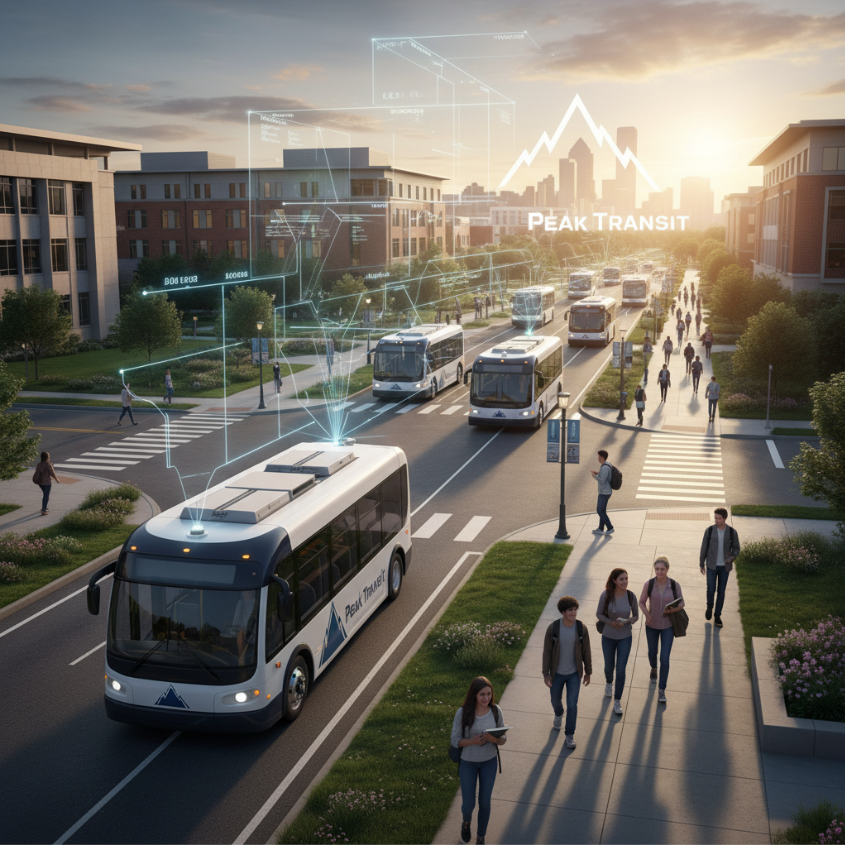
CAD/AVL software, intuitive passenger apps, and advanced hardware to help you optimize your fleet and enhance the rider experience. 

Take control of Your Fixed Route

Mix and match software and hardware solutions to meet your needs.

Learn more
A silhouette of two arrows pointing in opposite directions on a white background.

This is a paragraph. Writing in paragraphs lets visitors find what they are looking for quickly and easily.

This is a paragraph. Writing in paragraphs lets visitors find what they are looking for quickly and easily.

Learn more
A silhouette of two arrows pointing in opposite directions on a white background.
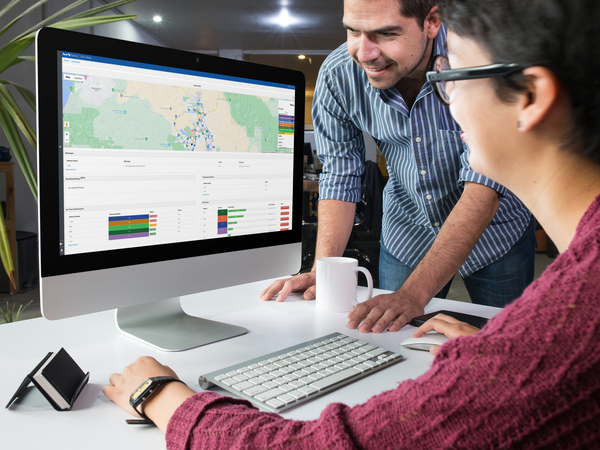
A man and a woman are looking at a computer screen.

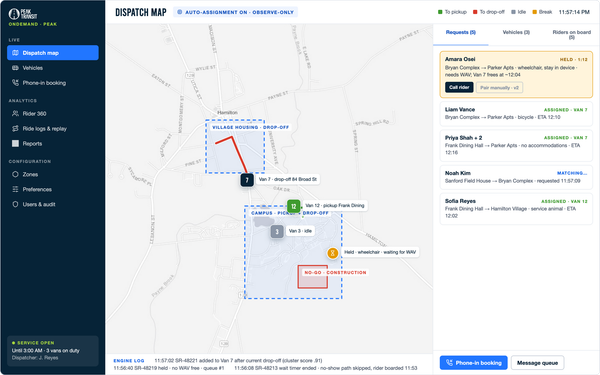
Fixed Route CAD/AVL for efficient fleet management from a single dashboard.

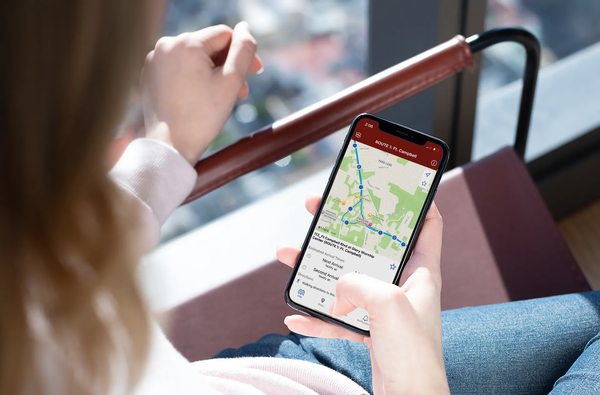
A person is holding a cell phone with a map on it.

Custom-branded mobile apps offering real-time rider information.

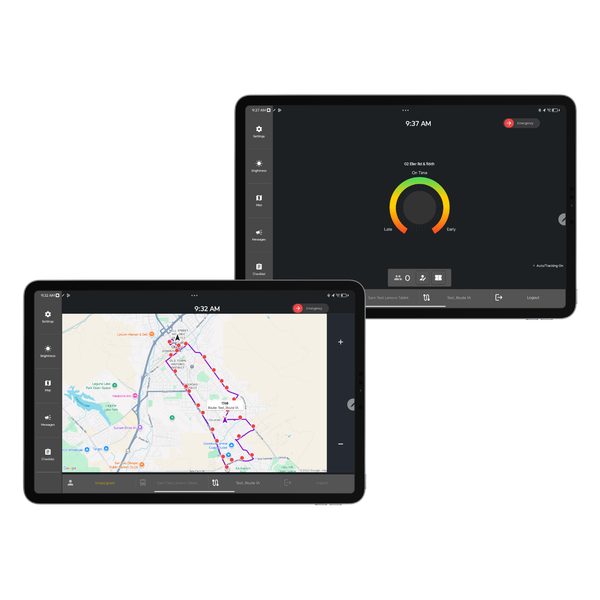
A man is driving a bus at night and looking out the window.

Mobile Data Terminals to enhance driver communication and tools.

Learn more
A silhouette of two arrows pointing in opposite directions on a white background.

This is a paragraph. Writing in paragraphs lets visitors find what they are looking for quickly and easily.

This is a paragraph. Writing in paragraphs lets visitors find what they are looking for quickly and easily.

Learn more
A silhouette of two arrows pointing in opposite directions on a white background.
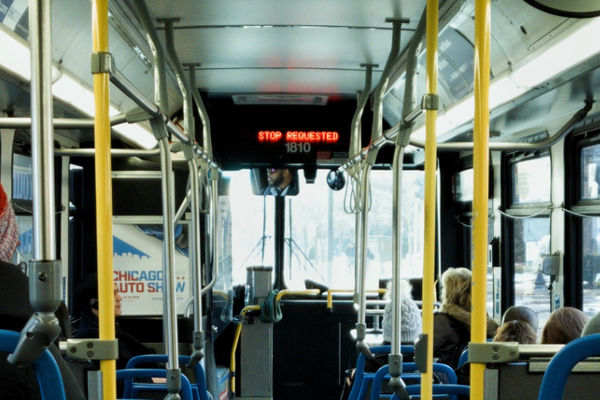
The inside of a bus with a sign that says stop waiting

Automatic Voice Announcements for clear, inclusive passenger alerts.

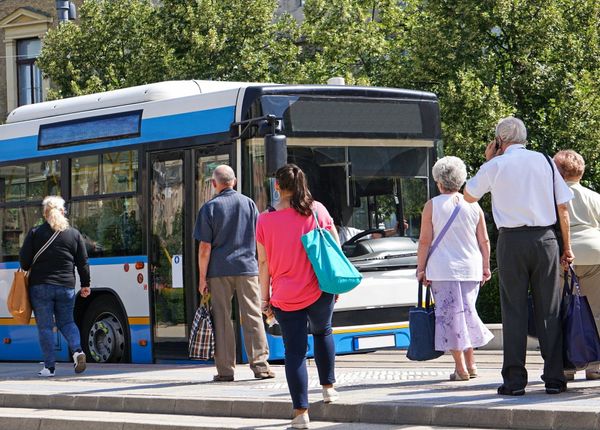
A group of people are boarding a bus at a bus stop.

Automatic Passenger Counting for optimized transit operations.

A computer monitor is displaying a list of courses.

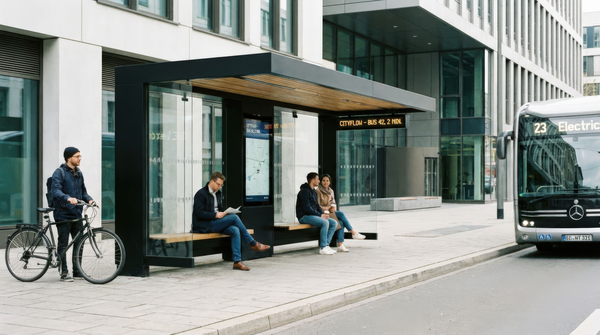
Digital Signage for dynamic, improved passenger experiences.

creating fixed-route solutions since 2012

Engineered with flexibility at its core, our approach caters to the needs of both dispatchers and riders, culminating in a fluid transit experience powered by real-time vehicle tracking. 


Learn more about Peak Transit

CUSTOMER SPOTLIGHT

Empowering Muncie Transit

Hear from Rob and Crystal as they share how technology enhances mobility at Muncie Indiana Transit System (MITS).


Play video
Play video

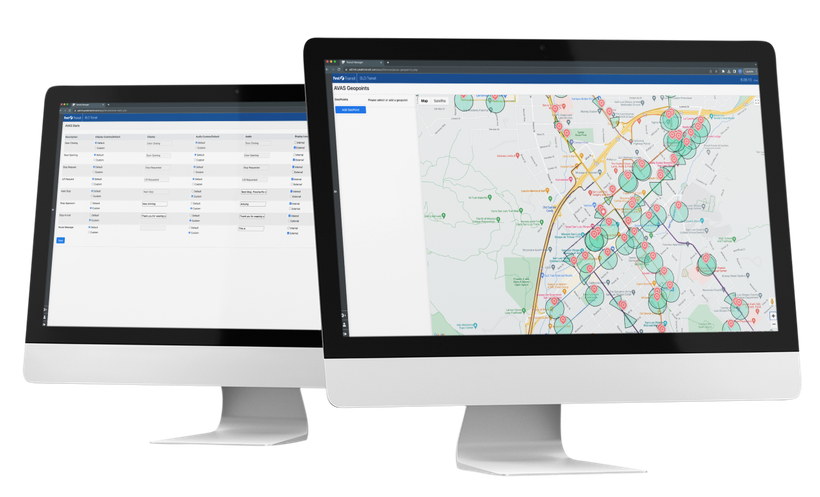
Get a demo to see how Peak Transit helps you monitor vehicles, support drivers, and enhance passenger communication.

see Peak Transit in Action

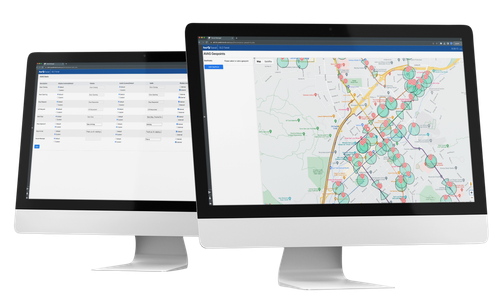
Two computer monitors with maps on them on a white background.

Latest from the Blog

Real-Time Passenger Information (RTPI) - Beyond Basic Tracking
By Megan Young April 29, 2026
Peak Transit's RTPI goes far beyond simple location dots on a map, offering a superior experience that makes your daily commute smoother and more predictable.
March 19, 2025
Public transit agencies work hard to keep their systems running smoothly, but behind the scenes, outdated technology can silently drain budgets, frustrate riders, and slow down operations. Many agencies hesitate to upgrade their Computer-Aided Dispatch / Automatic Vehicle Location (CAD/AVL) systems, passenger information displays, or fare collection tools due to cost concerns—but the reality is that sticking with outdated technology is often far more expensive in the long run. In this post, we’ll break down the hidden costs of using aging transit technology and how agencies can modernize efficiently and affordably. The Hidden Costs of Outdated Transit Tech 1. Rising Maintenance Costs Aging hardware and software systems require frequent repairs and patches, and those costs add up quickly. Increased downtime: Old servers, onboard hardware, and network infrastructure fail more often, leading to service disruptions. Expensive vendor support: Legacy systems often require costly, specialized support contracts since only a few technicians still know how to maintain them. Incompatible components: Finding replacement parts for discontinued systems becomes a challenge, forcing agencies to rely on expensive, custom solutions. Security vulnerabilities: Older software lacks modern cybersecurity protections, putting agencies at risk of cyberattacks and data breaches. 2. Passenger Dissatisfaction & Ridership Decline A poor rider experience can drive passengers away, leading to lower fare revenue and reduced funding opportunities. Inaccurate ETAs: Outdated CAD/AVL systems struggle to provide real-time location updates, causing unreliable arrival predictions. Lack of real-time notifications: Without automated alerts for delays or detours, passengers are left frustrated and uninformed. No mobile app or outdated interface: Riders expect modern, user-friendly transit apps with trip planning and live tracking. Payment inconvenience: Older fare collection systems may lack contactless options, frustrating riders who expect tap-and-go payments. 3. Missed Revenue & Funding Opportunities Sticking with legacy systems doesn’t just cost more in upkeep—it also prevents agencies from maximizing revenue and securing funding. Limited fare collection options: Without mobile ticketing or smartcard integrations, agencies miss out on modern revenue streams. Reduced ridership data insights: Older systems don’t collect or analyze passenger data effectively, making it harder to optimize routes and justify funding requests. Grants tied to tech modernization: Many federal and state grants prioritize agencies that adopt modern transit solutions—those relying on legacy systems may miss out on crucial funding. 4. Operational Inefficiencies Outdated systems make life harder for dispatchers, drivers, and transit managers, leading to wasted time and resources. Manual dispatching headaches: Without automated vehicle tracking, dispatchers struggle to adjust routes and communicate with drivers efficiently. Inefficient fleet management: Lack of real-time monitoring means agencies can’t quickly respond to breakdowns, overcrowding, or service gaps. Paper-based processes: Many older systems still rely on printed schedules, manual reporting, and inefficient workflows that slow down daily operations. How to Fix It: A Smarter Approach to Modernizing Transit Technology Upgrading transit technology doesn’t have to be a massive, all-at-once overhaul. A phased, strategic approach allows agencies to modernize without disrupting service or breaking the budget. 1. Prioritize High-Impact Upgrades Start with the technologies that will provide the most immediate benefits. Real-time passenger information: Upgrade CAD/AVL systems to provide accurate ETAs and service alerts. Passenger apps and digital signage: Implement modern mobile tools that give riders the information they need. Contactless fare collection: Adopt mobile ticketing and smartcards to streamline payments. 2. Choose Modular, Scalable Solutions A modular approach allows agencies to upgrade in stages, rather than replacing everything at once. Flexible CAD/AVL systems: Look for solutions that integrate with existing hardware and software to minimize costs. Cloud-based platforms: Reduce reliance on outdated servers and enable remote management. APC (Automatic Passenger Counting) integration: Gain accurate ridership data to optimize service planning. 3. Leverage Grant Funding & Partnerships Many federal and state programs offer funding for transit technology improvements. FTA grants: Programs like the Urbanized Area Formula Grants (5307) and State of Good Repair (5337) help agencies modernize. Public-private partnerships: Partnering with technology providers can reduce costs and streamline deployment. Demonstration projects: Piloting new solutions in a limited area can attract grant funding and prove the value of upgrades. 4. Future-Proof with Regular Updates Avoid falling into the legacy system trap again by making regular maintenance and upgrades a core part of your transit technology strategy. Planned hardware refresh cycles: Software can often outlive hardware, but aging onboard devices (like tablets, modems, and signage) can become bottlenecks. Establish a predictable upgrade schedule to prevent unexpected failures. Standardized, modular hardware: Invest in interoperable devices that can be upgraded individually, rather than requiring full system replacements. Cloud-based software updates: Reduce reliance on on-site maintenance by choosing remotely managed CAD/AVL, passenger information, and fare systems. Proactive device monitoring: Use real-time diagnostics to detect failing hardware before it disrupts service. Lifecycle cost planning: Budgeting for gradual, planned technology upgrades prevents costly emergency replacements. By taking a long-term approach to both hardware and software , agencies can maximize their investment and avoid being locked into outdated, failing technology. The Bottom Line Outdated transit technology doesn’t just slow down operations—it creates hidden costs that drain budgets, frustrate passengers, and limit growth. By taking a strategic, phased approach to modernization, agencies can improve service reliability, reduce maintenance costs, and future-proof their operations without major disruptions. Peak Transit specializes in modular, scalable transit solutions that make modernization easy and cost-effective. Whether you need real-time CAD/AVL, automated passenger counting, or a branded passenger app, we can help you upgrade without the headaches. 📩 Let’s talk about your transit tech goals—contact us today!
January 27, 2025
Discover three key reasons why upgrading your transit systems should be a top priority this year—and how Peak Transit’s CAD/AVL solutions can transform your operations.
December 17, 2024
Route planning is one of the most critical aspects of transit management. With limited resources, transit agencies must ensure that their vehicles are operating efficiently, schedules are optimized for passenger demand, and services are meeting rider expectations. By leveraging technology like CAD/AVL systems and data from real-time tracking, agencies can optimize route planning to reduce costs and improve service quality. Key Strategies for Optimizing Route Planning: Data-Driven Route Adjustments: CAD/AVL systems collect data on route performance, traffic patterns, and ridership levels. This data allows agencies to identify problem areas, such as routes that consistently face delays or experience low ridership. By analyzing this data, agencies can adjust schedules or reroute vehicles to improve efficiency and reduce delays. Peak Time Management: Using real-time data, agencies can identify peak hours and adjust vehicle allocations accordingly. Routes that experience heavy traffic during rush hours can be modified with additional vehicles, while underutilized routes can be scaled back. This ensures resources are deployed where they are most needed, improving service reliability.  Fleet Optimization: Technology also helps agencies monitor how well their fleet is utilized. CAD/AVL systems track vehicle usage and performance, providing insights into how long vehicles are in service, idle times, and overall efficiency. This data can be used to better allocate vehicles, reducing wear and tear, and minimizing operational costs. Conclusion: Technology is a powerful tool for optimizing route planning. By utilizing real-time data from CAD/AVL systems, transit agencies can improve service reliability, reduce costs, and better meet the needs of their riders.
November 11, 2024
Automatic Vehicle Location (AVL) technology is a core component of transit management that allows agencies to monitor and track their fleet in real-time. This technology integrates GPS tracking with centralized software, enabling transit managers to know the exact location of their vehicles, analyze route performance, and ensure better service delivery. In an era where real-time data is critical, AVL technology helps transit agencies optimize operations, improve response times, and deliver a more reliable service to riders. But how exactly does AVL work, and what are the benefits? How AVL Works: AVL systems use GPS data to transmit the real-time location of transit vehicles to a central management system. This live data feed provides a comprehensive view of where each vehicle is on its route, how fast it’s moving, and whether it’s running on time. For transit agencies, this information is invaluable. Here’s why: Fleet Monitoring: AVL provides a bird’s-eye view of the entire fleet, showing where each vehicle is at any moment. This helps dispatchers ensure that vehicles stick to their routes and allows for rapid response to any delays or incidents. Schedule Adherence: AVL technology allows agencies to monitor whether vehicles are running on time, ahead of schedule, or falling behind. This enables real-time adjustments, improving overall service reliability. Data for Future Planning: Over time, AVL systems gather rich data on traffic patterns, route performance, and service delays. Agencies can use this data to optimize routes, adjust schedules, and plan more efficient services in the future. Why AVL Matters for Transit Agencies: Improved Fleet Management: AVL technology takes the guesswork out of managing a transit fleet. With real-time visibility into vehicle locations, agencies can make quicker decisions and improve the reliability of their services. Faster Incident Response: If a vehicle breaks down or gets stuck in traffic, AVL systems alert dispatchers immediately, allowing for fast rerouting or sending backup vehicles to minimize service disruption. Enhanced Passenger Experience: One of the biggest benefits of AVL is the ability to provide real-time information to passengers. Riders can track buses on mobile apps, know exactly when their vehicle will arrive, and plan their trips with confidence. Better Route Optimization: Using data from AVL systems, agencies can identify problem areas in their service, whether it’s a route that consistently faces delays or a stretch of road that always causes slowdowns. Over time, this allows for more effective route planning and improved operational efficiency. Conclusion: AVL technology is a game-changer for transit agencies that want to improve fleet management, reduce delays, and deliver better service to passengers. By investing in AVL, agencies gain real-time control over their operations, ensuring they can respond quickly to challenges and keep their services running smoothly. Ready to experience the benefits of AVL? Learn how Peak Transit’s AVL solutions can transform your transit operations. Schedule a demo today.
October 28, 2024
Computer-Aided Dispatch/Automatic Vehicle Location (CAD/AVL) technology has become a cornerstone of effective transit operations. As transit systems grow increasingly complex, managing fleets, ensuring on-time performance, and meeting rider expectations require real-time oversight. CAD/AVL integrates GPS tracking with software tools for dispatch and route management, allowing agencies to track vehicles in real-time and optimize operations. How CAD/AVL Works: At its core, CAD/AVL systems connect a vehicle’s GPS data to a central dispatch platform, providing real-time vehicle location, driver performance metrics, and route adherence details. This integration enables transit agencies to: Track vehicles in real-time: Dispatchers know exactly where each bus or train is at any given moment. Monitor driver behavior: Analyze driving patterns, speeding events, or deviations from the planned route. Improve response to incidents: If a vehicle breaks down or an emergency occurs, dispatchers can reroute vehicles quickly, notify drivers, and communicate delays to passengers. Key Benefits for Transit Agencies: Optimized Route Performance: CAD/AVL helps agencies ensure that vehicles stay on schedule by providing real-time insights. Dispatchers can respond quickly to delays, adjust routes dynamically, and ensure that buses run on time, even in unpredictable traffic or weather conditions. Better Dispatching Decisions: When vehicles stray off their planned route or face obstacles like accidents or road closures, CAD/AVL provides real-time data, allowing for immediate corrective actions. This level of situational awareness improves fleet management and ensures service reliability. Data-Driven Decision Making: Over time, CAD/AVL systems collect valuable data on traffic patterns, driver performance, and rider behavior. Agencies can use this data to adjust schedules, optimize routes, and make informed decisions about future service needs.  Enhanced Rider Experience: With real-time tracking, passengers receive accurate information on bus arrival times via mobile apps or digital signage, reducing uncertainty and improving customer satisfaction. For transit agencies, offering this level of transparency helps build rider trust and loyalty. Implementing CAD/AVL for Long-Term Success: Whether you’re operating a small fleet or managing a large metropolitan transit system, CAD/AVL technology is scalable and customizable to meet your agency’s needs. By integrating CAD/AVL with your existing systems, you can enhance the efficiency of your operations, reduce costs, and improve service reliability. Conclusion: CAD/AVL systems are not just tools for monitoring your fleet—they are a strategic investment that drives efficiency, improves service quality, and provides long-term benefits for both transit agencies and passengers. As transit demands grow, adopting CAD/AVL technology will ensure your agency remains responsive, adaptable, and competitive. Discover how Peak Transit’s CAD/AVL solutions can help your transit agency run more efficiently. Schedule a demo!
Show More